Understand More About Fastener Thread Rolling
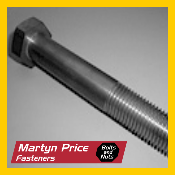
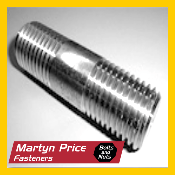
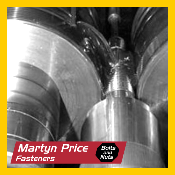
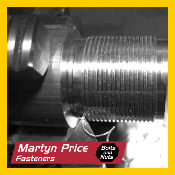
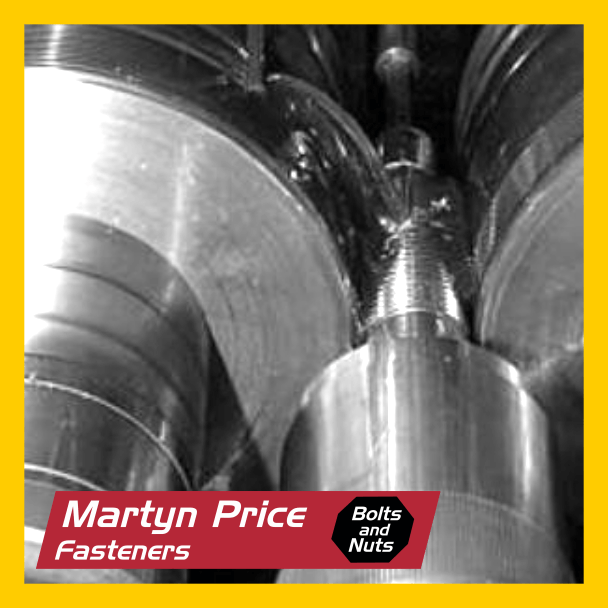
Thread rolling is the preferred technique for manufacturing standard threaded fasteners due to its ability to maintain the grain flow, resulting in a stronger fastener. Martyn Price provides short and volume run thread rolling services for special fasteners.
Advantages of Roll Threading
- Less labour times for lower costs.
- Smaller body diameter = less weight for cheaper shipping, coating etc.
- Cold working means they're more resistant to damage.
- Rolled threads smoother due to the rolling operation.
Roll Threading vs Cut Threads: Understanding the Differences
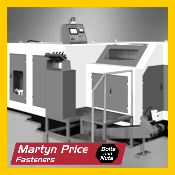
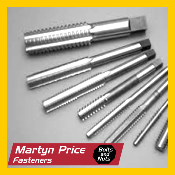
When manufacturing threaded fasteners, there are two primary methods for generating threads: thread rolling and cutting. Understanding the differences between these processes helps engineers and buyers choose the right approach for their application. Cut threads are produced by removing material from a blank using a cutting tool or tap. While this method works for many applications, it severs the grain flow of the steel, which can reduce the tensile strength of the finished screw thread. Thread rolling, by contrast, is a cold forming process and no material is removed. Instead, a thread rolling machine displaces and compresses the steel, following the thread profile precisely without breaking the grain structure.
Strength and Tensile Strength Benefits
Because the thread rolling process cold-works the material, the resulting threads have significantly greater tensile strength and shear strength compared to cut threads. The compression of the steel during forming creates a work-hardened surface that is more resistant to fatigue, stripping, and impact damage. This makes roll threading the preferred method for high-performance threading bolts, automotive fasteners, aerospace components, and any application where reliability under load is critical. The forming process also improves the surface finish of the thread form, reducing friction during assembly and improving the longevity of the joint.
Accuracy and Thread Quality
Thread rolling delivers exceptional accuracy across both external threads and internal threads. The thread rolling machine follows a precise thread profile, ensuring consistent thread size, pitch, and form across every fastener in a production run. This level of accuracy is difficult to achieve with cutting tools, particularly over large volumes. At Martyn Price Fasteners, our thread rolling process is set up for both short and volume runs, giving you precise threads with tight tolerances whether you need a handful of special fasteners or a full production batch.
Point Threading and Tapered Thread Applications
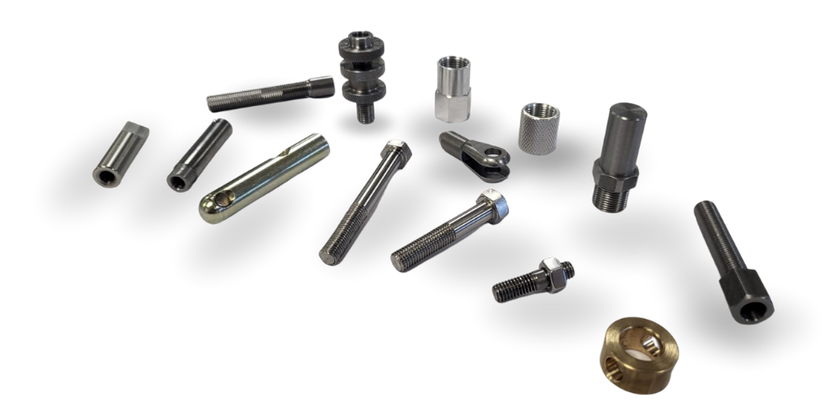
Roll threading is equally effective for point threading and tapered thread forms. The process adapts to different thread profiles without the tool wear issues associated with cutting, meaning quality remains consistent throughout the run. We work across a range of steel grades and materials, supporting standard and non-standard thread forms to suit your project requirements.
The Thread Rolling Process via Martyn Price
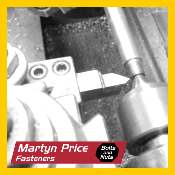
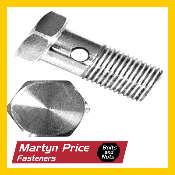
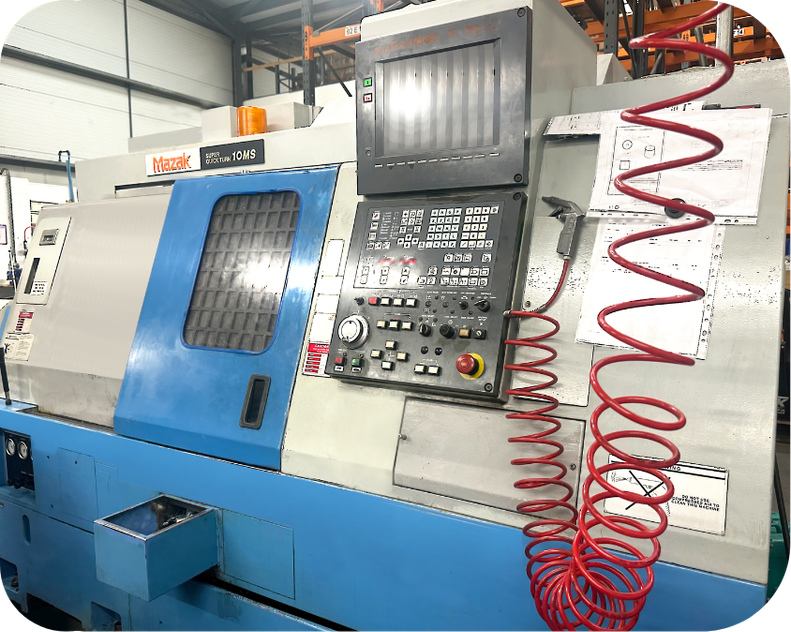
Our thread rolling capability supports a wide range of screw thread types and sizes. The process begins with a precisely machined blank, the body diameter is intentionally kept smaller than the thread's major diameter, since the forming operation raises the material rather than removing it. This results in a smaller body diameter, which reduces raw material costs, lowers shipping weight, and still delivers superior strength compared to cut alternatives. From threading bolts and screws to special fasteners, our manufacturing team uses the right tools and process for every job. Combined with our machine shop CNC capability, we offer a complete solution from blank to finished fastener.
Other Special Product Ranges